Ardleigh Green Road floral guide for local event venue bouquets
Posted on 15/10/2026
If you are planning flowers for a celebration, networking night, private dinner, or wedding reception, the Ardleigh Green Road floral guide for local event venue bouquets can save you a lot of stress. Good venue flowers do more than look pretty on a table. They set the tone, help a space feel welcoming, and quietly pull the whole event together. That sounds simple, but in practice there are a few moving parts: venue access, timing, flower choice, colour balance, and how the arrangements will hold up through the day.
Truth be told, most bouquet problems at event venues come from rushing the detail work. A bouquet that looks stunning at the shop can feel wrong under warm lighting, on a tall round table, or next to patterned chair covers. This guide walks through the practical side of choosing bouquets for local event venues around Ardleigh Green Road, with clear advice for style, seasonal selection, and smooth delivery. You will also find a checklist, a comparison table, and some plain-English tips that help you make better decisions without overthinking every stem.
One quick note: floral planning does not need to be fussy. It just needs to be thoughtful. And once you understand the basics, it becomes much easier.
Why Ardleigh Green Road floral guide for local event venue bouquets Matters
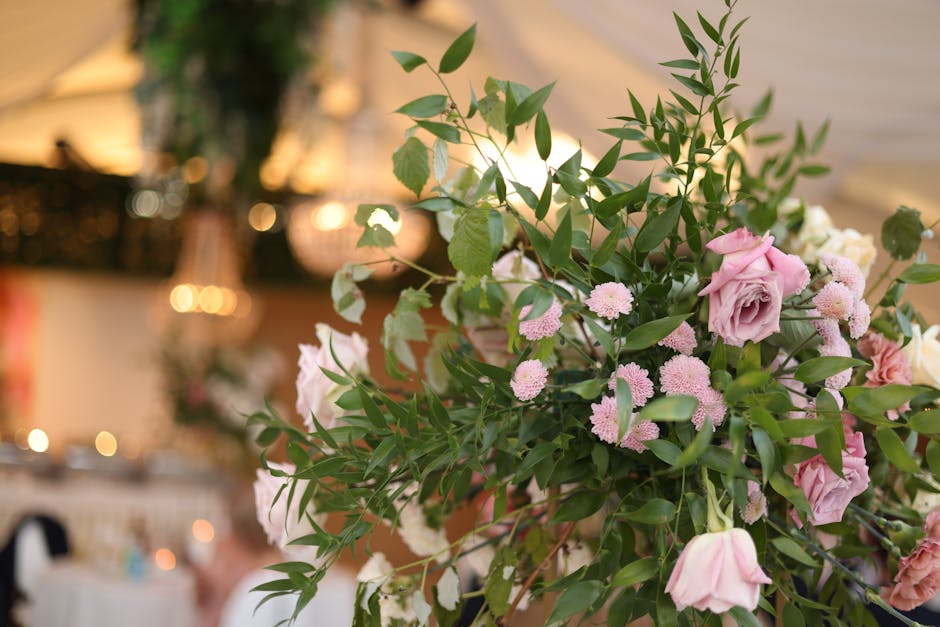
Venue bouquets do a very specific job. They bridge the gap between the event you imagined and the room your guests actually walk into. On Ardleigh Green Road and nearby, venues can vary quite a bit in size, light, and layout. One room may feel airy and modern, another may be more intimate and warm. The same bouquet will not work equally well in both.
That is why local context matters. A bouquet chosen for a coffee morning in a bright side room should not be identical to one designed for a candlelit anniversary dinner. The flowers, vase shape, stem height, and colour temperature all need to match the atmosphere of the venue. If you have ever seen flowers fighting with the room rather than enhancing it, you will know exactly what I mean.
This guide matters because it helps you think like a venue stylist, not just a buyer. You are not only choosing flowers. You are choosing how guests will experience the space as they arrive, take photos, talk, toast, and sit down. That is a bigger job than many people realise.
It also helps with budget control. Once you know what kind of bouquets suit the venue, you are less likely to overspend on blooms that are visually busy but structurally wrong. For example, a compact table arrangement may be a better use of budget than a huge hand-tied bouquet that blocks sightlines and annoys guests. Small detail, big difference.
How Ardleigh Green Road floral guide for local event venue bouquets Works
At its simplest, the process starts with three questions: what is the event, where is it being held, and how long do the flowers need to last? Those answers shape everything else. A bouquet for a morning registration table has different needs from a bouquet on the top table of a wedding reception. One may need subtle colour and durability; the other may need more drama and a strong focal flower.
The guide works by matching floral style to venue function. You look at the room, the table layout, the event schedule, and the lighting. Then you choose flowers that suit both the mood and the practical demands. In a local venue, that often means thinking about transport time too. Flowers that sit in a warm car for too long can start to soften, especially in summer. Not ideal. Nobody wants drooping petals before the first guest has even arrived.
There are also a few technical choices that matter more than people expect:
- Arrangement format: hand-tied bouquet, vase arrangement, basket, low centrepiece, or spray.
- Flower strength: some flowers hold shape better than others in warm rooms or long events.
- Colour palette: soft neutrals, bold jewel tones, seasonal brights, or monochrome styling.
- Venue compatibility: room size, table height, sightlines, and movement around the space.
- Delivery timing: same-day, next-day, or planned ahead for event setup.
There is a nice rhythm to it once you get used to the logic. Start with the room. Then the purpose. Then the flowers. If you reverse that order, you can end up trying to make the venue fit the bouquet, and that rarely ends well.
If you are already browsing options for a specific occasion, pages like wedding flowers, corporate gifting, and flowers for any occasion can help you narrow the style direction before you place an order.
Key Benefits and Practical Advantages
The best bouquets for local event venues do more than look elegant. They make the event easier to host and more pleasant to attend. That practical value is easy to miss if you focus only on the visual side.
First, they create instant atmosphere. A well-chosen bouquet can soften a plain table, warm up a reception desk, or make a private dining area feel considered rather than improvised. Even a modest arrangement can make the room feel cared for.
Second, they support the event theme without shouting. Good floral design does not need to be overcomplicated. A soft pink and white palette can suit a celebratory afternoon tea. White and green can feel clean and calm for a corporate venue. Mixed colours can add energy for birthdays, open days, or community events.
Third, they help with photos. People do take pictures at events, even when they say they will not. Bouquets that are proportioned well and placed thoughtfully improve the background in those photos. Guests may not say it aloud, but they notice.
Fourth, they reduce last-minute stress. A local florist who understands venue timing and delivery needs can help you avoid awkward gaps between setup and guest arrival. That matters more than it sounds. Late flowers are not a minor inconvenience; they can throw off the whole setup.
Fifth, they can be tailored to budget. You do not need to go all-in on luxury stems to achieve a polished look. Seasonal blooms, well-chosen fillers, and the right container can create a strong result at a sensible spend. That balance is often the sweet spot for local venue bouquets.
Expert takeaway: for event venues, the most successful bouquets are the ones that suit the room first and the flower trend second. Stylish is good. Practical is better. Usually both is best.
Who This Is For and When It Makes Sense
This guide is useful for anyone arranging flowers for a local venue near Ardleigh Green Road, but it is especially helpful if you are working with limited time or a venue you have not used before. That might be a wedding couple, an event organiser, a small business planning a launch, or a family arranging flowers for a milestone party. It also helps if you are ordering on behalf of someone else and need the flowers to look polished without requiring lots of back-and-forth.
It makes sense in situations like these:
- You want bouquets that match the venue instead of clashing with it.
- You need arrangements that survive transport and setup.
- You are comparing styles for a wedding, anniversary, or corporate event.
- You want a local solution with practical delivery timing.
- You need a mix of elegance and value, without going overboard.
For wedding planning, you may find it useful to look at specialist options such as bridal bouquets, table arrangements, and buttonholes. For corporate settings, a neat arrangement from the florist choice range can be a sensible starting point when the brief is broad and time is short.
If you are working to a budget, that is fine. In fact, some of the best venue bouquets come from simple ideas executed well. A restrained palette, a few standout blooms, and a good container can feel far more thoughtful than a crowded display with no breathing space.
Step-by-Step Guidance
Here is a practical way to choose bouquets for a local venue without tying yourself in knots.
- Start with the venue layout. Walk the room if possible, or ask for photos of the tables, entrance, and main focal points. Look at ceiling height, natural light, and whether guests will be standing or seated near the flowers.
- Define the event mood. Is the feel formal, romantic, joyful, understated, or festive? You do not need fancy language here. "Calm and elegant" or "bright and lively" is often enough.
- Choose the bouquet format. Hand-tied bouquets work well for gifting and visible displays. Vase arrangements are better where you want instant placement. Low arrangements suit dining tables because they do not block conversation.
- Select the colour story. Use one main direction. For example: white and green for a refined look, pink tones for softness, mixed brights for energy, or warm autumn shades for a seasonal feel.
- Think about flower durability. Roses, carnations, chrysanthemums, alstroemeria, lilies, and germini are commonly used in event work because they can offer good shape and lasting power. The exact choice depends on the look you want.
- Plan delivery around setup. Flowers should arrive in time for styling, but not so early that they sit around too long in a busy venue kitchen or corridor. Timing really does matter.
- Confirm any venue rules. Some venues prefer arrangements that do not shed heavily, drip water, or take up too much space on buffet stations or staging areas.
- Review the final look with the whole room in mind. A bouquet that looks perfect on a counter may feel too tall on a table. Check proportion. Every time.
If you want fast delivery for an event that has crept up on you, options such as same-day flower delivery, next-day flower delivery, and local flower delivery can be worth checking early in the process.
Expert Tips for Better Results
There are a few small adjustments that consistently improve event bouquets. These are the sort of details people only tend to notice when they get them wrong.
Match scale to the venue. A spacious hall can handle larger, more expressive arrangements. A cosy private room often looks better with tighter bouquets and lower profiles. If in doubt, err a little smaller. Overly tall flowers can create visual noise. Nobody needs that in the middle of a dinner conversation.
Use one star flower and let the rest support it. A bouquet often feels stronger when one bloom leads the design and the others create texture around it. That could be roses, lilies, hydrangeas, tulips, or seasonal mixed flowers. Too many stars in one bouquet can make the result feel confused.
Let the table do part of the work. A lovely vase, basket, or low container can elevate a simple floral mix. The container should not shout, but it should feel chosen. That little bit of design discipline changes everything.
Consider scent carefully. For food-focused events or smaller indoor venues, strong fragrance can be distracting. A lightly scented arrangement often works better than an intensely perfumed one. It is a subtle thing, but guests will notice if the room feels pleasant rather than overpowering.
Keep one eye on seasonality. Seasonal flowers usually look more natural and often sit better with the event atmosphere. Autumn tones, summer brights, and winter whites each carry a different emotional feel. Use that to your advantage.
Ask for realism, not perfection. Some stems are naturally more open, some buds may still be developing, and good floristry accepts that. In our experience, the best bouquet is not always the one with the most uniform blooms. It is the one that feels alive and balanced.
A small practical trick: if the venue lighting is warm, test whether very pale flowers disappear into the background. Sometimes a faint blush, a touch of yellow, or a deeper green gives the bouquet enough presence to read properly from across the room.
Common Mistakes to Avoid
Even a lovely bouquet can go wrong if the venue details are ignored. Here are the mistakes people make most often.
- Choosing flowers before checking the venue. It sounds obvious, but it happens all the time. The room should guide the bouquet, not the other way round.
- Going too tall for table settings. Guests need to see each other. If flowers block sightlines, they become a nuisance, no matter how pretty they are.
- Using too many competing colours. A bouquet with six or seven unrelated shades can look busy. A tighter palette usually feels more polished.
- Ignoring transport and heat. Flowers need to travel well and stay fresh until setup. A long ride in summer can change the whole look.
- Forgetting the event purpose. A sympathy arrangement, birthday display, and wedding centrepiece all ask for different tones. Same flowers? Not always.
- Not checking venue access. Narrow corridors, tight loading areas, or limited parking can affect delivery timing more than you might expect.
- Over-ordering decorative extras. Sometimes balloons, cards, or extra accessories are useful. Sometimes they clutter the look. Be selective.
There is also the classic mistake of assuming "bigger equals better." It does not. A large bouquet can be fabulous, yes, but only if the room can handle it. Otherwise it becomes a bit much. Bit of a shame, really, because the flowers themselves may still be gorgeous.
Tools, Resources and Recommendations
You do not need a professional event planner toolkit to get this right. A few practical resources will do most of the work.
Venue photos or floor plans. Even a quick phone photo of the room helps with scale and style planning. If you can measure table sizes, even better.
Colour references. A fabric swatch, invitation image, or simple mood reference can help the florist understand the look you want. "Elegant" means different things to different people, so a visual cue saves time.
Product categories that help with event planning. For example, best sellers are useful when you need proven options, while luxury flowers may be more appropriate for a high-impact entrance or VIP table. If the event is summer-led, summer flowers can help you keep the styling seasonal and light.
Care guidance. Once flowers arrive, the care matters. A useful local florist should give handling advice so the arrangements stay fresh through the event. If you need general upkeep tips, the site's flower care guidance is a sensible reference point.
Delivery and ordering information. Before you place an order, check the delivery details and payment information so there are no surprises on timing or checkout. The pages for delivery and payment are worth reviewing if you want the practical side sorted early.
Customer support and policies. For questions about substitutions, timing changes, or order issues, it helps to know where to find support. The pages for contact us, guarantees, and returns and refund explain the practical next steps if something needs attention.
Law, Compliance, Standards and Best Practice
For most bouquet planning, the legal side is straightforward, but it is still worth handling properly. If flowers are being delivered into a venue, the order should be clear about timing, access instructions, and any special handling requirements. That reduces the chance of missed deliveries or last-minute confusion.
For business or event use, good practice also means being careful with expectations. If a venue has a strict setup window, do not assume a delivery driver can wait around indefinitely. If the room has access restrictions, flag them early. If the bouquet includes delicate stems, say so. Clear communication avoids awkwardness, and honestly, it saves everyone a headache.
From a wider standards perspective, most of the key expectations are about honesty, care, and suitable substitution. If a specific bloom is unavailable, a responsible florist should offer a similar alternative rather than quietly replacing it with something completely different. That is just good practice.
For customers who care about ethical sourcing and supply-chain transparency, it may also be useful to review a florist's sustainability, modern slavery statement, and privacy policy. Those pages are not about the bouquet style itself, but they do help build confidence in how the business operates.
If a floral order is linked to a business account or repeat venue work, a corporate arrangement can be simpler to manage. In that case, corporate accounts may be useful for smoother ordering and repeat scheduling.
Options, Methods and Comparison Table
Different bouquet methods suit different venue needs. Here is a simple comparison to help you choose.
| Option | Best for | Strengths | Watch-outs |
|---|---|---|---|
| Hand-tied bouquet | Gifting, welcome tables, styled displays | Flexible, classic look, easy to present | Needs a suitable vase or support on arrival |
| Vase arrangement | Receptions, dining tables, entrances | Quick to place, stable, polished finish | Container choice affects the final look |
| Low centrepiece | Dining venues, conference tables, intimate events | Good sightlines, elegant, practical | Can feel too small in large rooms if under-scaled |
| Basket or posy | Smaller venues, easy-moving setups, thank-you gifts | Simple to carry, warm and approachable | Less formal than a vase in some settings |
| Mixed seasonal bouquet | Flexible briefs, broad themes, budget-conscious events | Good variety, lively, adaptable | Requires careful colour balancing |
If you are deciding between styles, it often comes down to this: do you want impact, practicality, or versatility? You can have all three, but usually one leads. For a formal venue, vase arrangements often win. For a gift table or informal gathering, a hand-tied bouquet or basket can feel more natural. For dining spaces, low arrangements are the safest bet.
It is also worth considering the flower families. Roses feel timeless and romantic. Lilies bring shape and a more architectural look. Chrysanthemums and carnations are dependable for structure and longevity. Alstroemeria and germini can add colour without overpowering the design. Simple enough, but each one changes the mood.
Case Study or Real-World Example
Here is a realistic example based on the kind of brief that comes up all the time. A local organiser needs flowers for a private venue near Ardleigh Green Road for an early evening celebration. The room is not huge. There are round tables, soft lighting, and a narrow entrance corridor. The event will last several hours, with guests arriving straight from work. Nothing dramatic. Just a thoughtful, elegant gathering.
The first instinct might be to order a large, dramatic bouquet. But once the room is considered properly, a different solution makes more sense. Low mixed arrangements in soft white, blush, and pale green work better on tables. A slightly fuller bouquet is reserved for the welcome area, where it can make a stronger first impression without blocking conversation.
In this setup, practical timing matters as much as appearance. Delivery is scheduled close enough to setup that the flowers still feel fresh, but early enough to allow the venue team to place them without rushing. The organiser also keeps fragrance gentle because the event includes food service. Small choices, but they change the experience.
The result is a room that feels calm, polished, and welcoming. Guests notice the flowers, but they do not feel crowded by them. That is often the sweet spot. The bouquet should support the room, not wrestle it for attention.
And if you have ever watched people take photos beside a good arrangement and then quietly adjust their posture because the room suddenly feels nicer, well, there you go. Flowers do that. They really do.
Practical Checklist
Use this checklist before you confirm your order. It keeps things simple.
- Confirm the venue name, address, and access instructions.
- Check the event date, start time, and setup window.
- Decide whether the flowers need to be formal, relaxed, romantic, or corporate.
- Choose the bouquet style: hand-tied, vase, low centrepiece, basket, or mixed seasonal.
- Pick a colour palette that suits the room and the occasion.
- Consider fragrance, height, and sightlines.
- Review whether same-day or next-day delivery is needed.
- Ask about substitutions if a flower is unavailable.
- Check care instructions for the venue team or recipient.
- Keep your budget clear, including any extras such as cards or matching items.
Some readers like to add one more line to the checklist: "Will this still look good in three hours?" That is a surprisingly useful question. Not glamorous, but very useful.
Conclusion
The best Ardleigh Green Road floral guide for local event venue bouquets is really about making confident, practical choices. Once you match the bouquet to the room, the event type, and the timing, the whole process becomes much easier. You do not need to force the flowers to do everything. Let them support the venue, set the mood, and make the space feel finished.
If you remember only three things, make them these: choose for the venue, keep the palette focused, and plan delivery properly. That alone will put you ahead of the usual last-minute scramble. And to be fair, a lot of flower stress comes from not having a simple method. Now you have one.
For a polished final result, it is often worth browsing local styles, checking delivery options, and choosing bouquets that fit the event rather than fighting it. A calm, well-judged floral plan is one of those behind-the-scenes details that makes everything else feel easier.
Get a free quote today and see how much you can save.
Frequently Asked Questions
What makes a good bouquet for a local event venue?
A good venue bouquet suits the room size, table layout, lighting, and event style. It should look balanced from a distance, not block conversation, and hold up well through the event.
How far in advance should I order bouquets for a venue?
For planned events, ordering in advance is best because it gives more choice over style and timing. If the date is close, same-day or next-day delivery may still be possible depending on availability.
Are hand-tied bouquets or vase arrangements better for venues?
It depends on the setup. Hand-tied bouquets are flexible and stylish, while vase arrangements are quicker to place and often better for direct venue display. For tables, low arrangements are usually the most practical.
Which flowers last longest at an event?
Longevity depends on handling, temperature, and the specific blooms used. In general, sturdy flowers such as carnations, chrysanthemums, alstroemeria, and some roses are often chosen for event work because they tend to hold shape well.
Can I get bouquets delivered straight to a venue?
Yes, that is common for local event flowers. The main thing is to provide clear venue details, access instructions, and the setup time so delivery can be planned properly.
What colours work best for event venue bouquets?
It depends on the mood you want. White and green feels clean and refined, pink and blush feels softer, mixed colours feel lively, and seasonal tones can help the event feel more grounded and natural.
Do I need different flowers for weddings and corporate events?
Usually, yes. Wedding bouquets often lean more romantic or decorative, while corporate arrangements tend to be cleaner, more restrained, and better suited to brand or room styling.
How do I keep bouquets from looking too tall on tables?
Choose low arrangements or shorter stems, and make sure the container and table size work together. A bouquet should allow guests to see each other comfortably across the table.
What if the flowers I want are unavailable?
A good florist should suggest similar alternatives that preserve the overall look and feel. It is best to focus on the style, colour, and mood rather than one exact bloom.
Can I order affordable bouquets for a venue without them looking cheap?
Absolutely. A focused colour palette, good structure, and the right container can make a budget-friendly arrangement look polished. Cheap does not have to mean basic; it just means the design needs to be smarter.
Should venue flowers have strong fragrance?
Not always. Light fragrance is usually safer for indoor events, especially where food is being served or the room is small. Too much scent can distract guests.
What should I ask the florist before confirming?
Ask about delivery timing, substitutions, flower durability, care instructions, and whether the arrangement suits the venue layout. If you are ordering for a recurring venue event, it also helps to ask about repeat ordering options.
In the end, the best floral plan is the one that feels calm on the day and beautiful in the room. That is the real win, and it tends to stay with people long after the last guest has gone home.